
Research
Tunbridge Wells
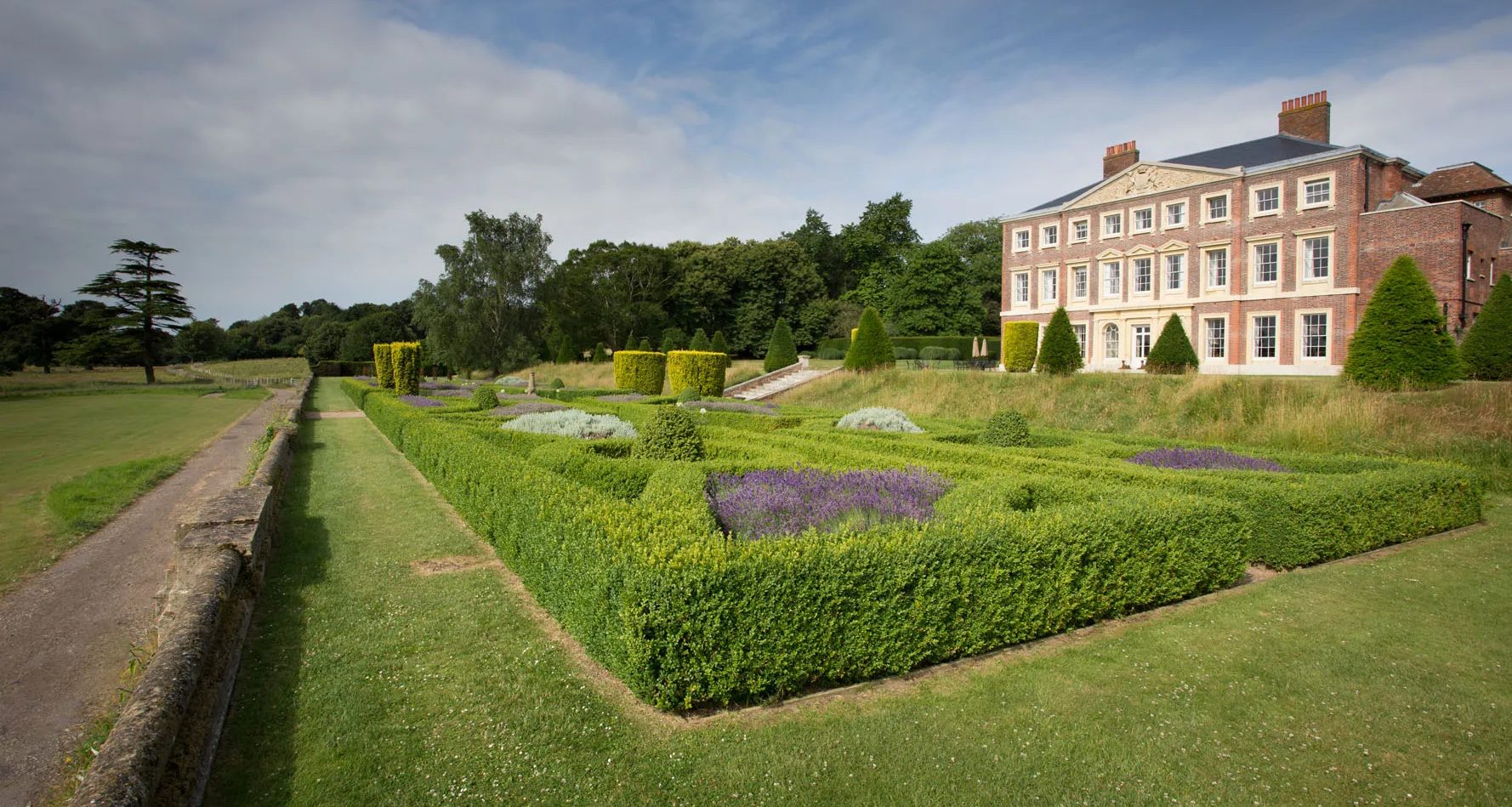
The volunteers met for the first time at Bedgebury in 2008 to form a research group in order to investigate and describe gardens and parks within the bounds of the Tunbridge Wells Borough Council. Many of the sites date from the C19, such as Bedgebury and Lillesden, with a formal garden near the house set in parkland with still surviving mature trees. Other C19 gardens, for example St Ronans, are superimposed on C18 creations. Glassenbury, a C15 moated house with C18 formal gardens set in woodland, and Sprivers, another C15 house with landscape features dating from the C16, are two of the oldest sites. Other early Wealden houses, Old Wilsley and Brattles Grange, have C20 gardens. In the town are several Decimus Burton (1831-81) houses with their C19 gardens (Bentham Hill House, Blackhurst Park and Salomons Centre) as well as open spaces providing public access for example Grosvenor and Hilbert Recreation Ground, the first municipal park in Tunbridge Wells, dating from 1889. At the Beacon Hotel were the C18 cold baths and later C19 tea gardens while Sherwood Park was, first, the home of Charles Siemens, the founder of the international company, later becoming a Guys Hospital school of dentistry during the 1940s. At Crittenden the plant collector, Ben Tompsett (1915-2000), created a C20 garden and at the Grange, Benenden, Collingwood Ingram (1881-1980) planted his cherry trees together with the rest of his finds.
Please note that some of the images for the Tunbridge Wells project are available separately on the Tunbridge Wells Borough Council website.
Research Reports for the Tunbridge Wells Project
- Ashurst Park
- Beacon Hotel
- Bedgebury
- Bentham Hill House
- Blackhurst
- Brattles
- Brenchley Manor
- Broomlands
- Crittenden
- Danemore Park
- Finchcocks
- Glassenbury Park
- Grosvenor & Hilbert
- Hole Park
- Ladham House
- Lillesden
- Marle Place
- Oak Hill Manor
- Salomons
- Sherwood Park
- Sissinghurst Place
- Sprivers
- St Ronans
- The Grange
- The Grove
- The Owl House
- The Postern